Top 10 Vibe Coding Tools in 2025
Empower Your Coding with AI-Driven Creativity and Simplicity
 Next AI Tool4 min read·Apr 23, 2025
“Vibe coding” has emerged as a revolutionary programming approach, empowering users to code simply by describing their ideas. In 2025, this AI-driven workflow has completely changed the landscape of software development. Here’s a curated list of the top 10 vibe coding tools making waves this year.
What is Vibe Coding?
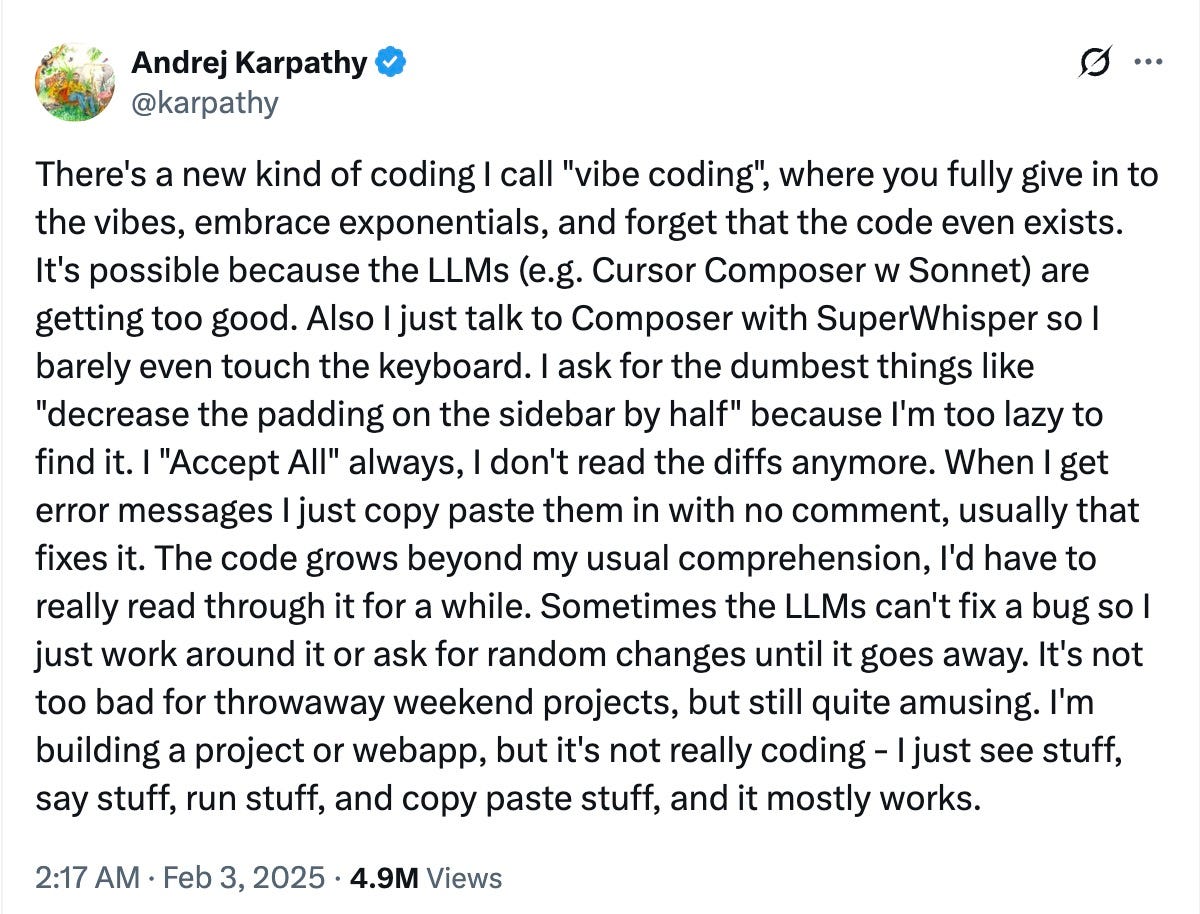
Coined by Andrej Karpathy, vibe coding means guiding AI to create software through natural language, allowing users to code without mastering complex syntax. Imagine telling your computer exactly what you want — in plain English — and watching your application come to life.
Let’s explore the top vibe coding tools boosting productivity and creativity in 2025:
1. Cursor by Anysphere — The Conversational Coding Champ
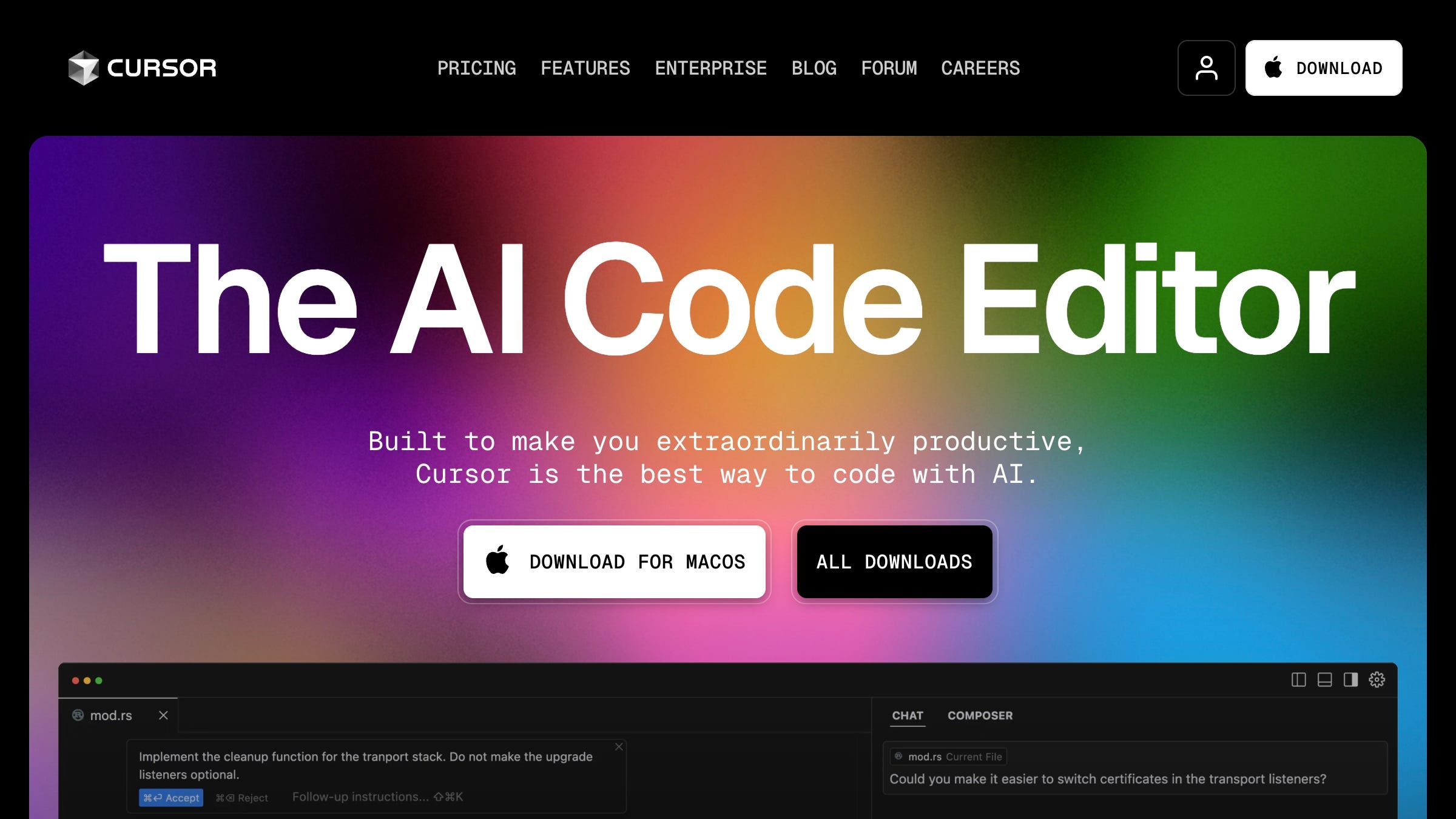
Cursor sets the bar high with its deeply intuitive interface that understands your intentions effortlessly. Describe your vision, like “Create a dashboard displaying analytics,” and Cursor generates accurate, contextual code.
-
Key Features: Natural language prompts, smart refactoring, voice integration.
-
Best for: Rapid prototyping and iterative development.
2. Replit — Your AI-Powered Cloud Workspace
Replit seamlessly integrates vibe coding into its cloud environment, allowing you to build, test, and deploy from anywhere, anytime.
-
Key Features: Built-in AI coding agents, instant deployment, voice-driven commands.
-
Best for: Collaborative coding and quick prototyping.

3. GitHub Copilot — AI-Powered Productivity Booster
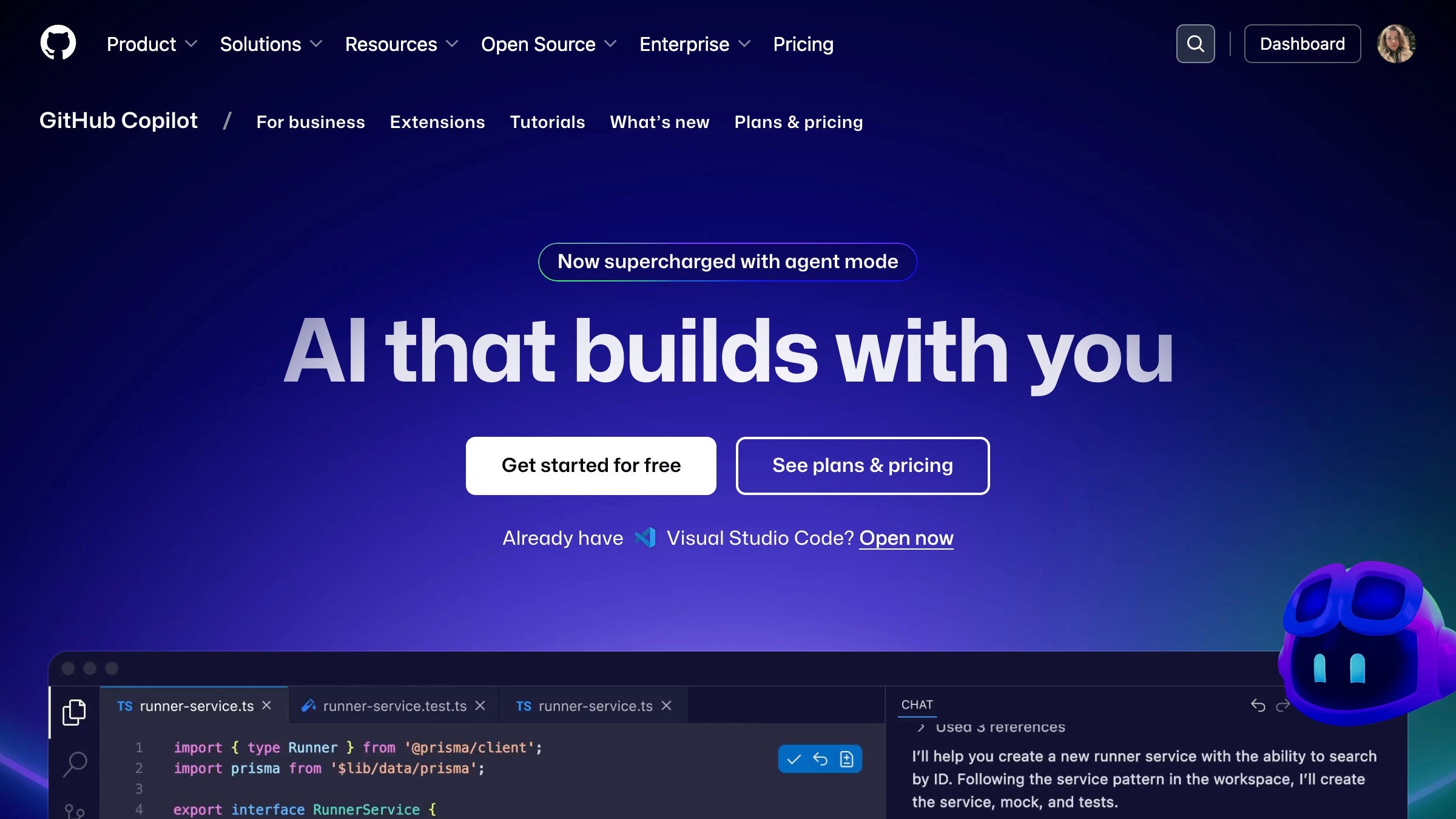
GitHub Copilot is renowned for turning simple descriptions into robust code, dramatically enhancing developer productivity.
-
Key Features: Project-wide context awareness, conversational Agent Mode.
-
Best for: Scaling projects and multitasking workflows.
4. Windsurf Editor by Codeium — Intuitive & Agentic IDE
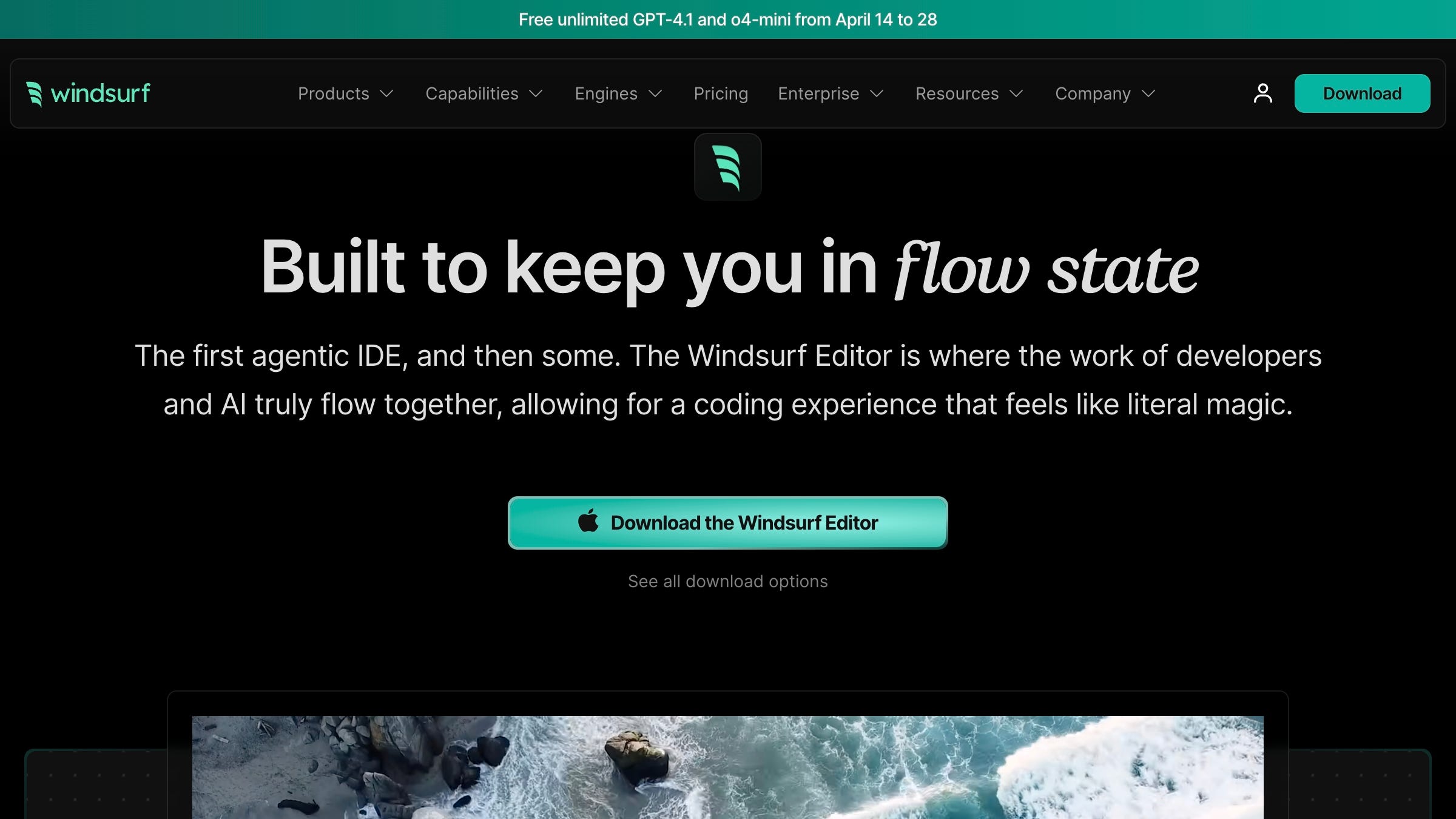
The Windsurf Editor offers a unique AI “mind-meld” experience, anticipating your next coding move before you make it.
-
Key Features: Cascade chat system, multimodal input, broad language support.
-
Best for: Deep project integration and advanced prototyping.
5. Cody by Sourcegraph — Context-Rich Team Coding
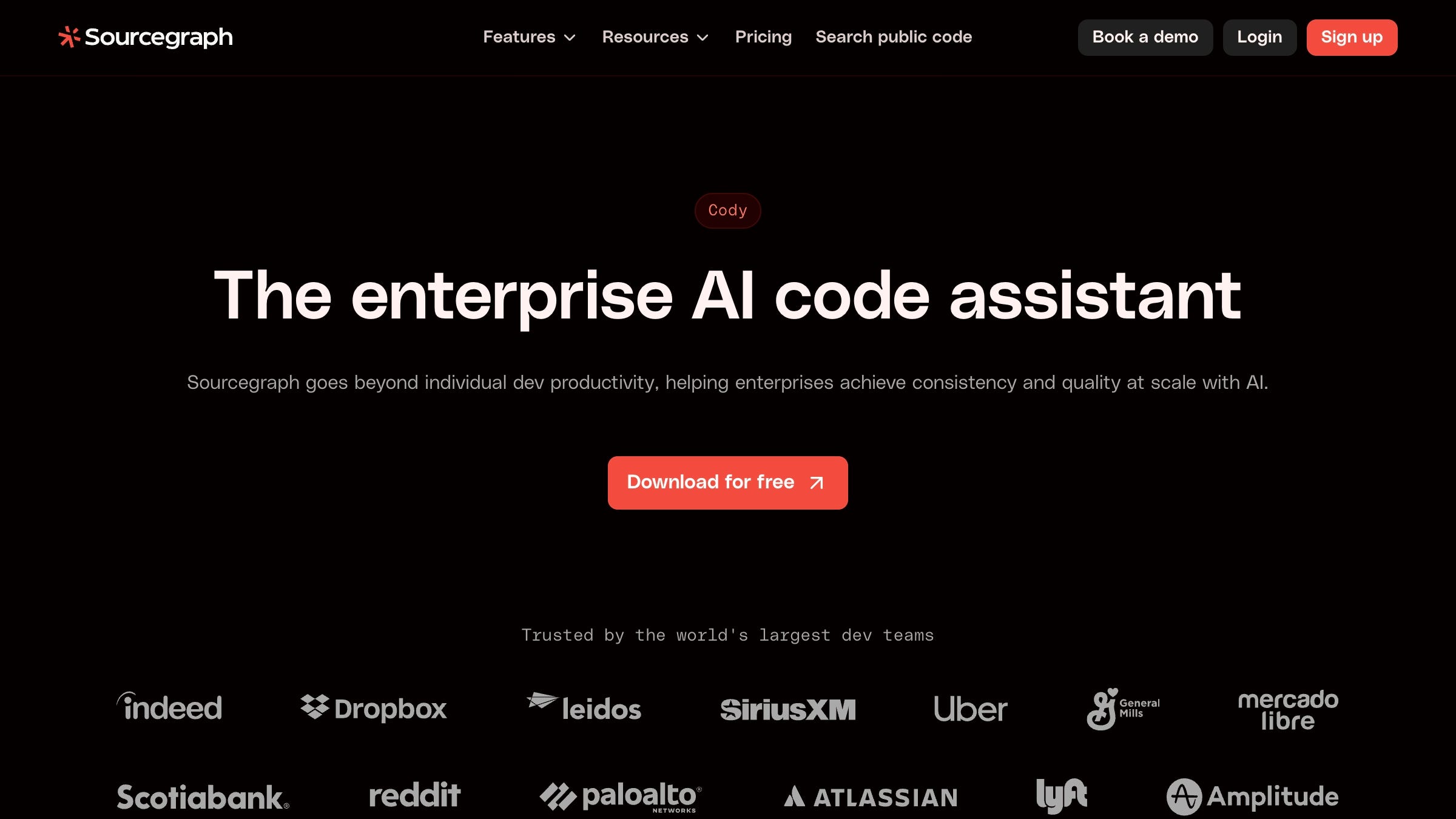
Cody excels at contextual coding, enabling teams to collaboratively produce high-quality software through natural language interactions.
-
Key Features: Extensive codebase integration, custom prompt automation.
-
Best for: Enterprise teams and complex codebases.
6. Bolt.new by StackBlitz — Instant, Browser-Based Magic
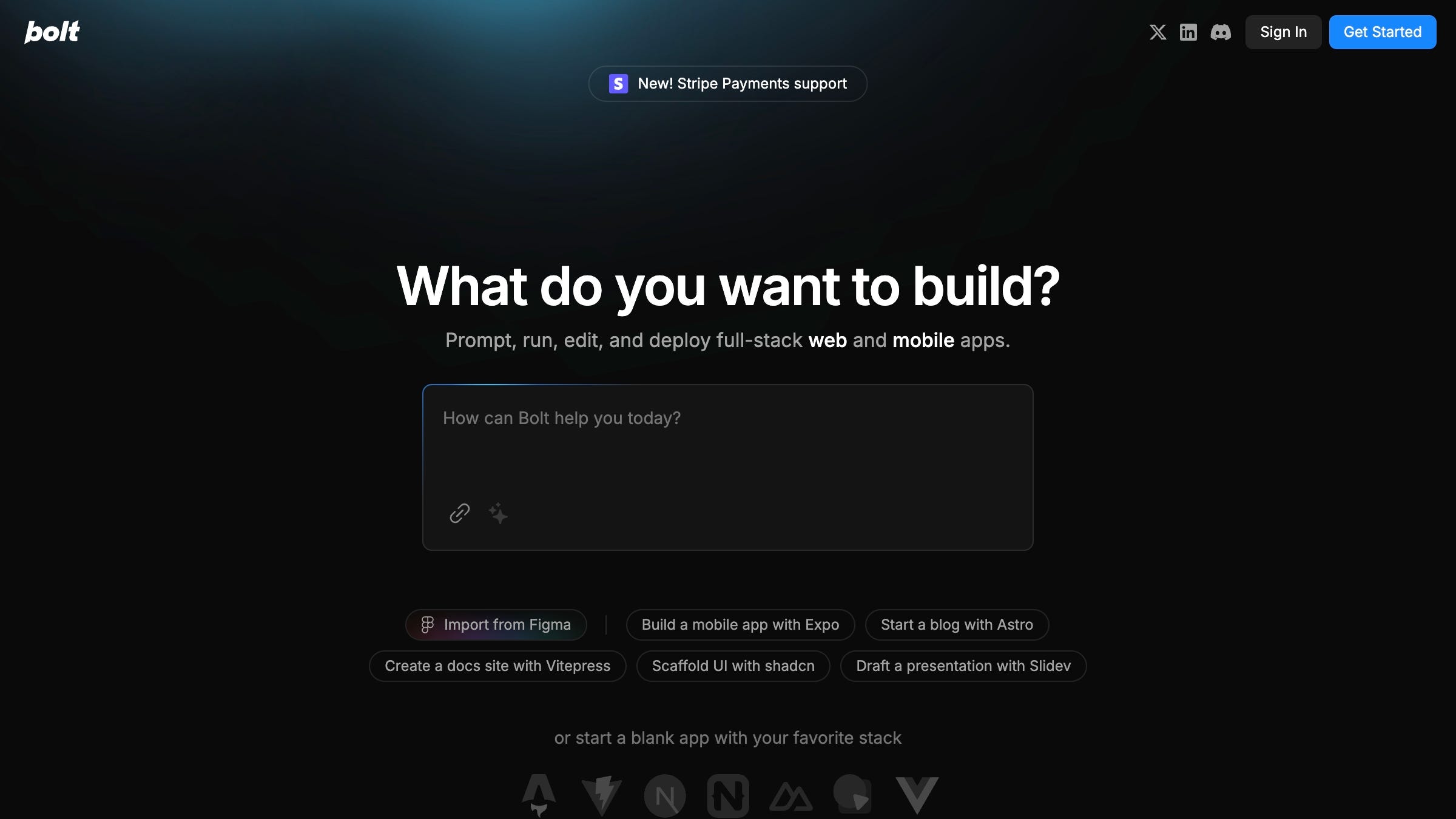
Bolt.new removes setup hassle entirely, offering an AI-driven browser IDE that generates full-stack applications instantly.
-
Key Features: No local setup, real-time collaboration, instant environments.
-
Best for: Quick experiments, hackathons, and rapid app launches.
7. v0 by Vercel — Front-End Development Simplified
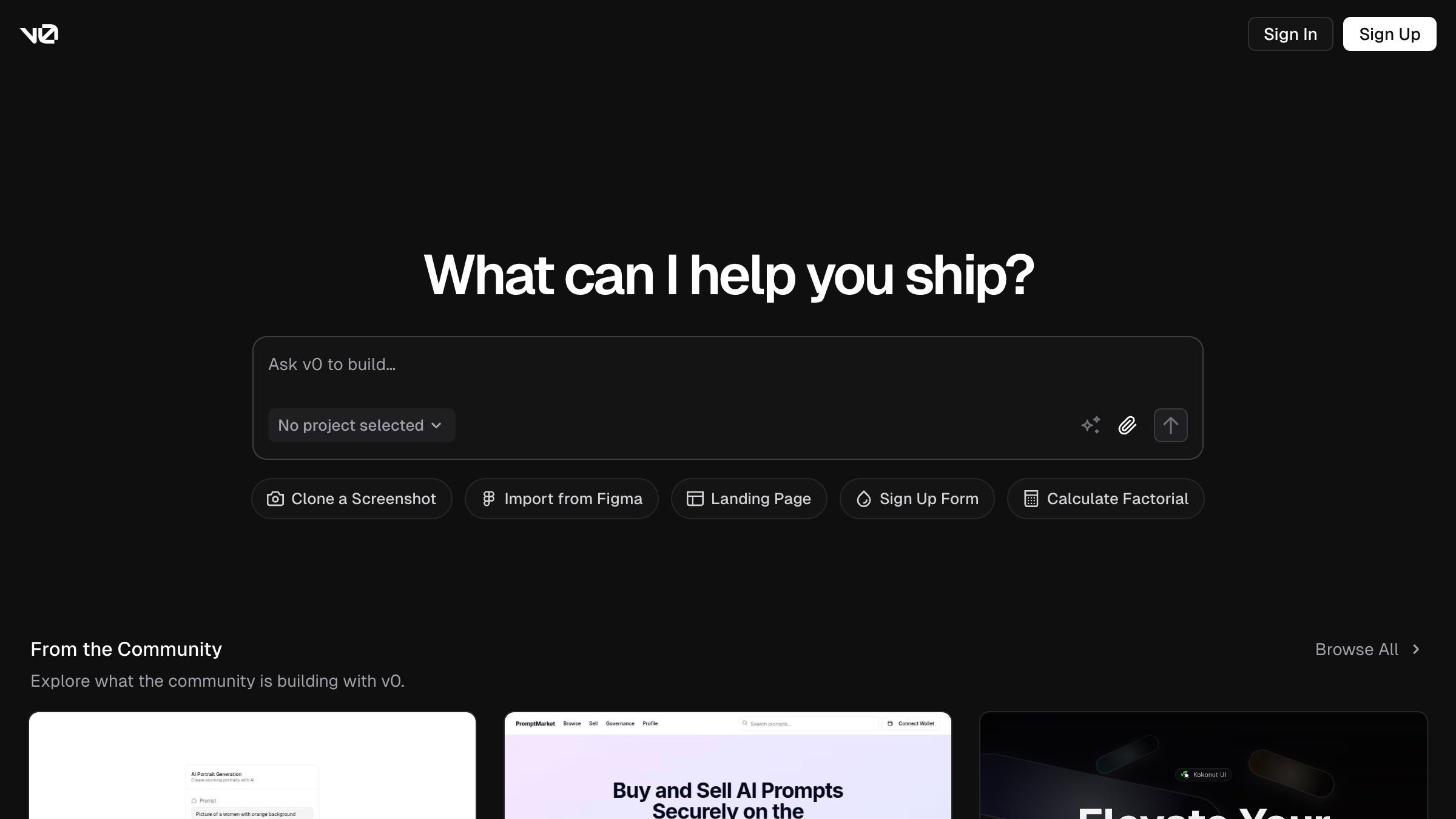
Vercel’s v0 empowers users to build front-end apps using natural language prompts, turning ideas into visually appealing React components.
-
Key Features: Real-time previews, adaptive AI learning, versatile UI frameworks.
-
Best for: Front-end prototyping and creative projects.
8. Lovable — Comprehensive App Generator
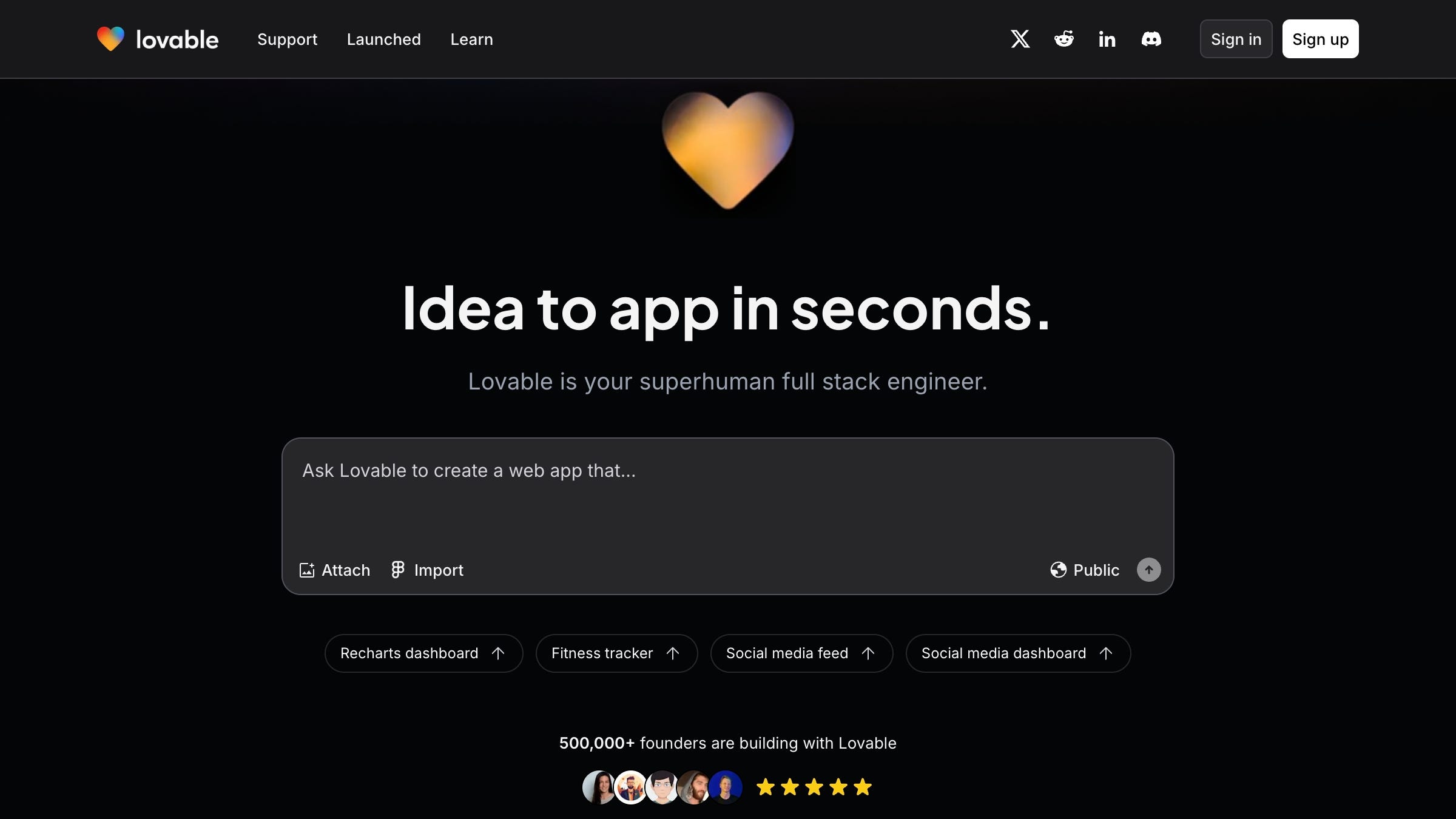
Lovable takes vibe coding full-stack, instantly generating not just UI but also backend infrastructure with a single prompt.
-
Key Features: Full-stack app creation, rapid prototyping.
-
Best for: Complete app development without coding expertise.

9. heyBossAI — The Ultimate No-Code Companion
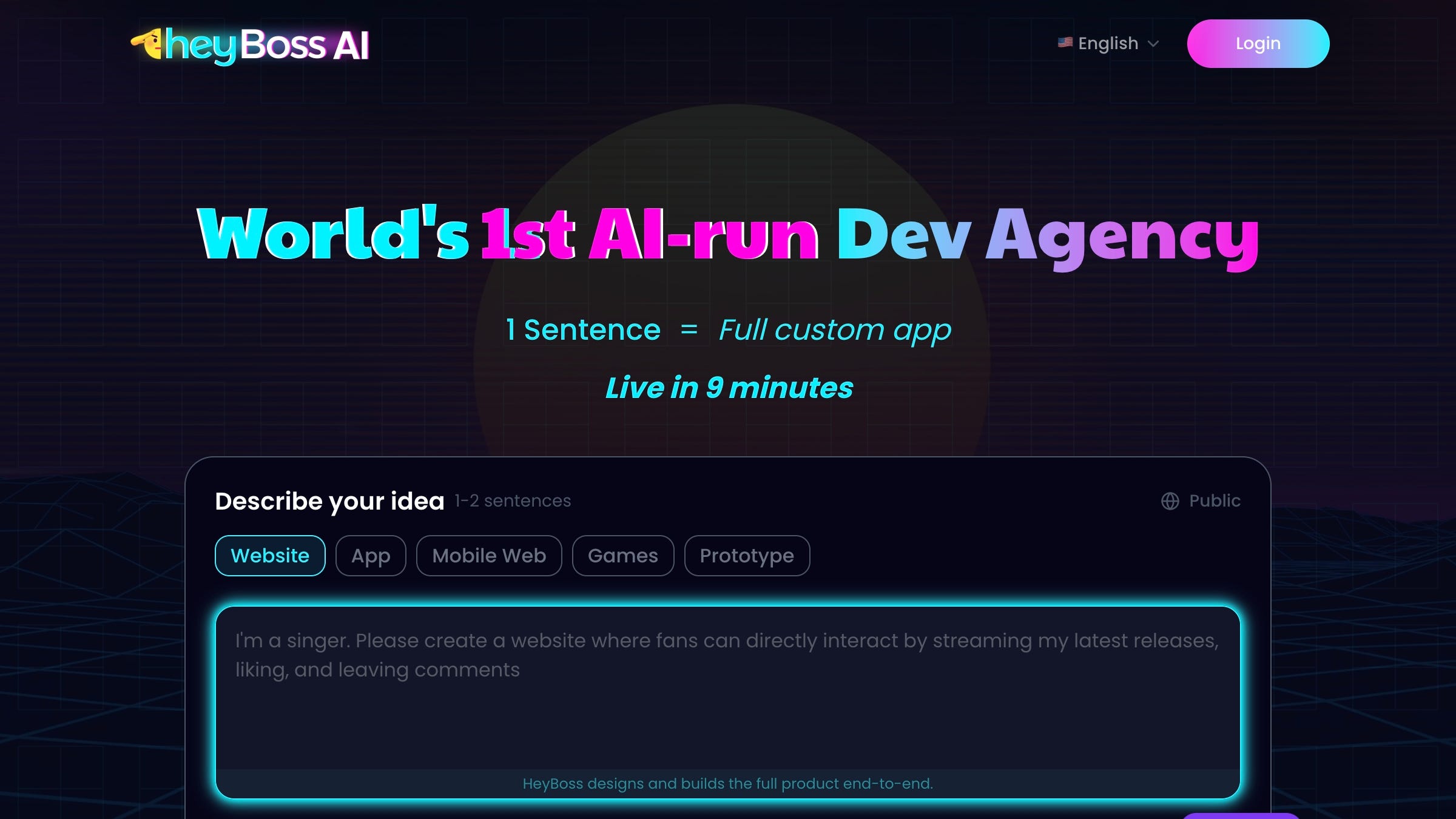
HeyBossAI offers a user-friendly platform where describing your vision is enough to create sophisticated apps, websites, or games.
-
Key Features: Integrated design and deployment, full-stack no-code solution.
-
Best for: Entrepreneurs and non-technical creators.
10. Trae — Next-Gen AI-Driven IDE
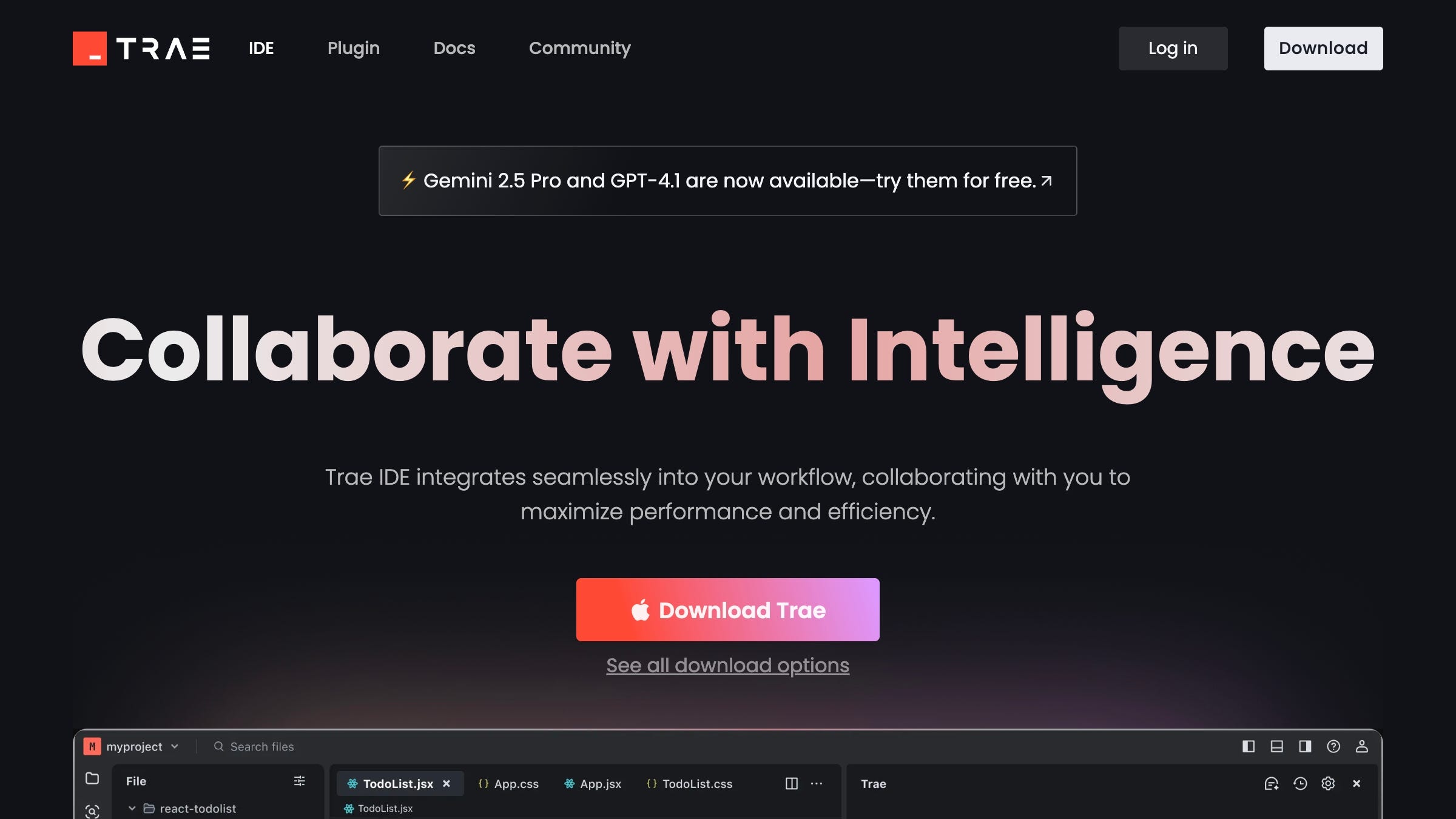
Trae is a next-gen IDE that lets you code through intuitive, multimodal prompts, enhancing productivity and creativity simultaneously.
-
Key Features: Builder mode, conversational interface, multimodal input support.
-
Best for: Bridging visual design with coding, perfect for visual thinkers.
Maximizing Your Vibe Coding Experience

To get the most from these tools:
-
Leverage keyboard shortcuts: Accelerate workflow.
-
Customize your setup: Tailor environments to your needs.
-
Refine AI suggestions: Use AI outputs as a foundation, refining them based on your expertise.
Embracing the Future of Coding
Whether you’re a seasoned developer or just starting out, vibe coding tools have democratized software creation, letting you focus on ideas over syntax. Explore these tools, find your vibe, and build something incredible today.
Other Blog Posts
 Next AI Tool2 min read·Apr 28, 2025Why You Should Get a Backlink to Boost Your SEOLearn Why Backlinks Are Crucial For Ranking Higher On Google
 Next AI Tool2 min read·May 14, 2025Capture, Enhance, and Share Smarter with Canvid’s AI-Powered Screen RecordingA Smarter Way to Record, Edit, and Share
 Next AI Tool4 min read·Apr 30, 2025Build a Website or App Without Coding Using HeyBoss AIYour One-Stop Solution for Websites and Apps (No Coding Required!)
 Next AI Tool4 min read·Apr 11, 2025Vidnoz AI Makes Professional Video Creation Effortless for EveryoneUnlock Professional Video Production Without Experience or Big Budgets